Reading the forecast
How to Read the Barra de la Cruz Surf Forecast
Jul 2026 · 6 min read
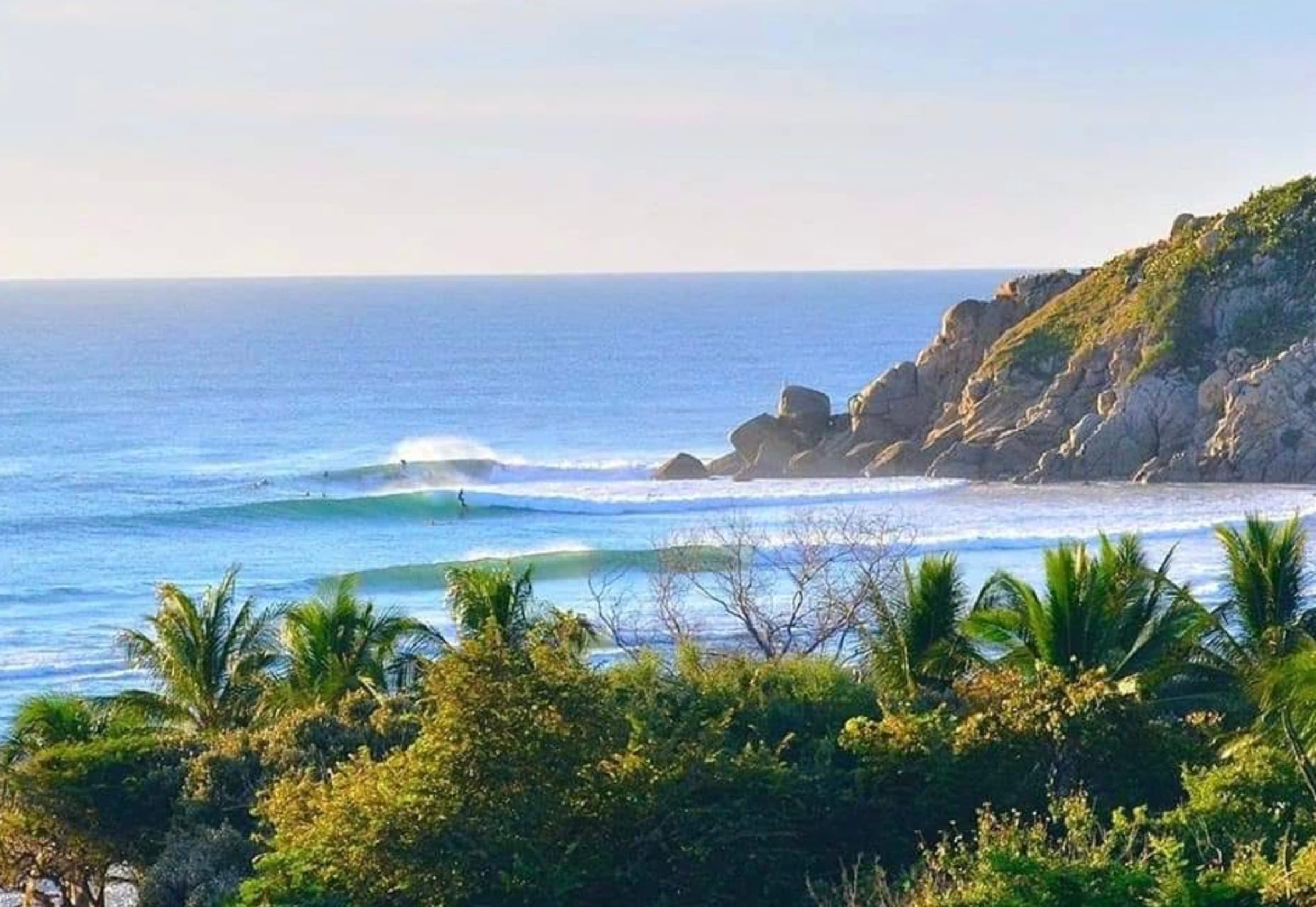
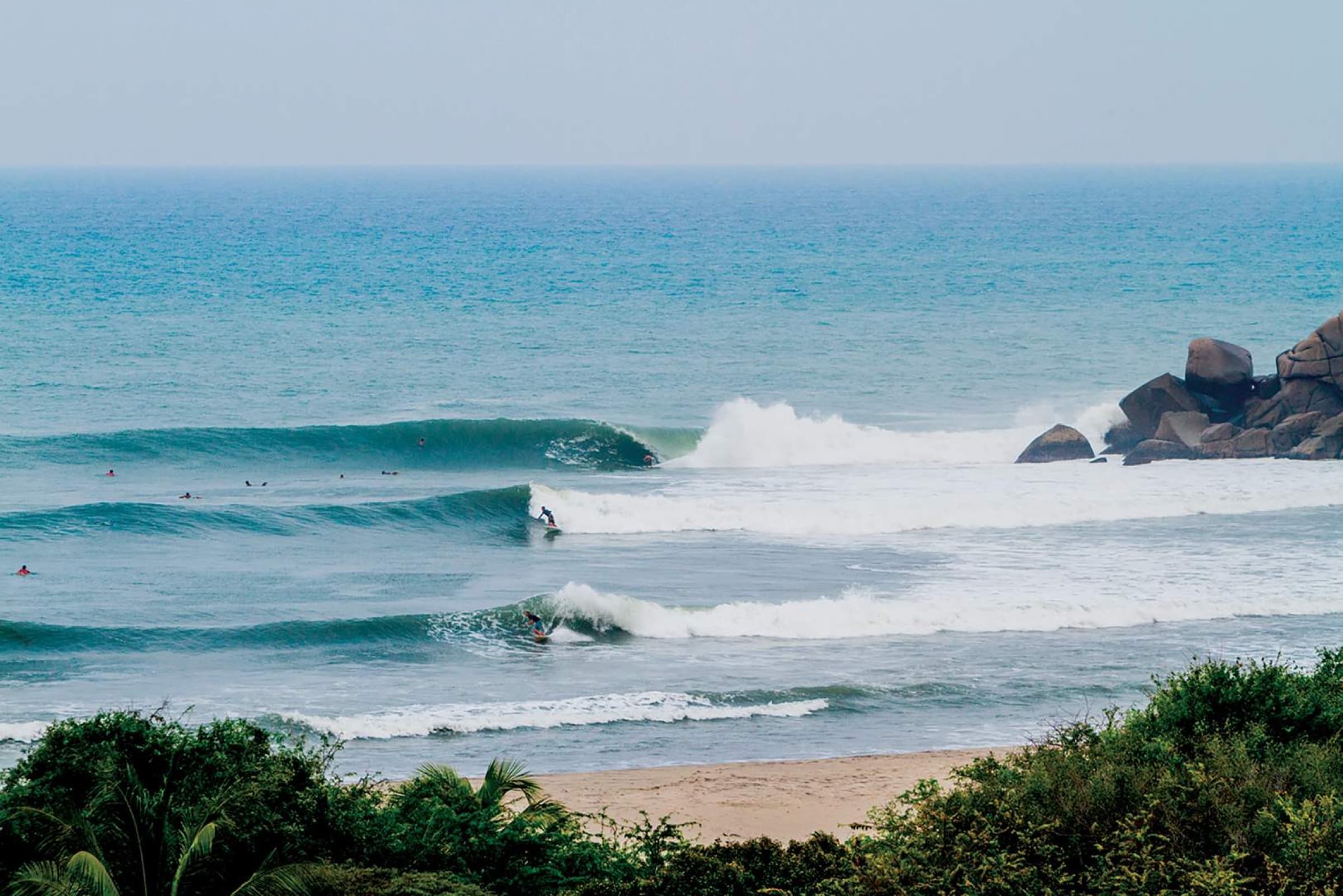
Wave height is the number everyone looks at and the least useful one on its own. A four-foot reading with the right direction and a long period is a classic Barra day. The same four feet from the wrong angle on a short period is a windswept, gutless mess. Here's what to check, roughly in order of how much it matters.
1. Swell direction
Barra is a right-hand point that needs swell wrapping around the headland to its west. That means south through southwest — very roughly 180° to 220° — is the working window. Swell arriving from further east tends to run past the point without bending into it properly, and the wave loses the long, connected wall that makes it worth the trip.
2. Swell period
This is the number that separates the good days from the forgettable ones, and it's the one most people skip. Period is the gap in seconds between waves, and it tells you where the swell was born.
- 14 seconds and up — long-period groundswell from storms deep in the Southern Hemisphere. It carries real energy, bends around the headland, and stands up on the sand. This is what you want.
- 11–13 seconds — workable. The point will break, but with less push and a shorter wall.
- 10 seconds and below — local windswell. Weak, disorganised, and usually not worth the drive no matter what the height says.
A long-period swell also arrives with more size at the point than the open-ocean reading suggests, because that energy bends into the bay instead of sliding past it. It's the single best reason to look past wave height.
3. Wind and time of day
This one is almost a schedule rather than a forecast. Mornings on this coast are typically light or offshore and glassy; the onshore sea breeze builds through the morning and usually has the surface chopped up by early afternoon. The practical consequence is simple and it doesn't change much: surf at dawn. A perfect swell with an 11am start is a mediocre session.
4. Tide
Barra is a sand-bottomed point, so tide changes its character more than whether it breaks at all. Lower tides run hollower and faster with a more critical takeoff. Pushing mid tides are fuller and more forgiving, and generally the friendliest window if you're not certain about the size. On a small day, lower tide gives you more shape to work with.
Putting it together
A classic Barra day reads something like: swell from the south-southwest, period of 15 seconds or more, light offshore wind, and a low-to-mid tide at sunrise. A day to skip reads: swell from the east or southeast, period under 10 seconds, and onshore wind already showing at 8am — regardless of the height.
One last thing the forecast will never tell you: the sandbank moves. It builds and shifts through the season, and after a big swell or a heavy rain the point can be noticeably better or worse than it was a week earlier. No model captures that — only people who are looking at it every day do.
See the live Barra forecastThe destinationBarra de la Cruz travel guide: the wave, the village, getting here and where to stayQuestions
- What swell direction is best for Barra de la Cruz?
- South through southwest, roughly 180° to 220°. The wave depends on swell wrapping around the headland to its west, and swell arriving from further east tends to run past the point instead of bending into it.
- What is a good swell period for Barra de la Cruz?
- 14 seconds or more. That indicates long-period groundswell from the Southern Hemisphere, which carries the energy needed to wrap around the headland and stand up on the sand. Under 10 seconds is local windswell and usually disappointing regardless of the wave height shown.
- What time of day is best to surf Barra de la Cruz?
- Early morning. The wind is typically light or offshore at dawn and the onshore sea breeze builds through the morning, usually degrading conditions by early afternoon. Dawn patrol is the standard approach here.
- Does Barra de la Cruz work better at high or low tide?
- Lower tides are hollower and faster with a more critical takeoff; pushing mid tides are fuller and more forgiving. It's a sand-bottomed point, so tide changes the character of the wave more than whether it breaks at all.
Two minutes from your door to the sand.